Tuesday, October 16, 2012
Flipping the script
The script has been flipped on President Obama, and his Secretary of State, Hillary Clinton is attempting to fall on the royal scepter to save the President.
Likely, you will hear soundbites about this drama in tonight's town hall debate.

This is the bizzaro world of modern political theater where blame must be securely affixed. Clinton made this statement to CNN yesterday,
The jackals have the taste of blood and are in full attack mode, this despite the meme of the "I don't remember. I didn't know the details," being developed by their very own political godfather, Ronald Reagan, who's aides darn near copyrighted the strategy during the Iran-Contra affair.
The bitter irony for the President and the Secretary of State is that they are only reaping the blowback of King George the II's wars. Yet the narrative has been flipped on them. Libya was supposed to be near the epicenter of their successes.
The dictator, Moammar Gadhafi, is gone. The Arab Spring started right next door in Tunisia.1
But the problem is Obama and Clinton missed the opportunity by cozying up to a strategy that said anonymous death from the skies is better than dialogue on the ground. Why was America with the generals and the dictators in Egypt?
Well, if you are asking about the origins of that policy, they are deeply rooted and haven't been ideologically divided along Red-Blue lines for decades. Obama simply kept running the program.2 Political stability trumped human rights.
Now, the Muslim Brotherhood is in charge in Egypt and America's influence dwindles daily as the prospects for radicalization increase.
Libya's extremists and the failure of the West to be able to fiat political stability there, any better than it could in Iraq or Afghanistan,3 is ultimately what this is about and why the narrative has been turned on its head. Libya was supposed to reflect the utility, rather than the futility of limited power projection.
President Obama will surely need a better answer than, it's the Secretary of State's fault, should the question arise at tonight's debate.
Notes
1How America can possibly still be on the wrong side of fight between the dictators and the people begging for freedom, fifty years after Vietnam, is a national debate we need to be having.
2As Mrs. Clinton would have if she had won the presidency.
3Or in Syria, where we are trying out a tacitly "non-interventionist" approach.
Likely, you will hear soundbites about this drama in tonight's town hall debate.
This is the bizzaro world of modern political theater where blame must be securely affixed. Clinton made this statement to CNN yesterday,
"I take responsibility. I'm in charge of the State Department's 60,000-plus people all over the world -- 275 posts...The president and the vice president wouldn't be knowledgeable about specific decisions that are made by security professionals."Rest assured this has only fed the bellies and the fury of the red meat eaters on Capital Hill. Four Americans, including Ambassador Christopher Stevens, were killed in the September attack on the U.S. Consulate in Benghazi. They are now pawns on the table for political gamesmanship.
The jackals have the taste of blood and are in full attack mode, this despite the meme of the "I don't remember. I didn't know the details," being developed by their very own political godfather, Ronald Reagan, who's aides darn near copyrighted the strategy during the Iran-Contra affair.
The bitter irony for the President and the Secretary of State is that they are only reaping the blowback of King George the II's wars. Yet the narrative has been flipped on them. Libya was supposed to be near the epicenter of their successes.
The dictator, Moammar Gadhafi, is gone. The Arab Spring started right next door in Tunisia.1
But the problem is Obama and Clinton missed the opportunity by cozying up to a strategy that said anonymous death from the skies is better than dialogue on the ground. Why was America with the generals and the dictators in Egypt?
Well, if you are asking about the origins of that policy, they are deeply rooted and haven't been ideologically divided along Red-Blue lines for decades. Obama simply kept running the program.2 Political stability trumped human rights.
Now, the Muslim Brotherhood is in charge in Egypt and America's influence dwindles daily as the prospects for radicalization increase.
Libya's extremists and the failure of the West to be able to fiat political stability there, any better than it could in Iraq or Afghanistan,3 is ultimately what this is about and why the narrative has been turned on its head. Libya was supposed to reflect the utility, rather than the futility of limited power projection.
President Obama will surely need a better answer than, it's the Secretary of State's fault, should the question arise at tonight's debate.
Notes
1How America can possibly still be on the wrong side of fight between the dictators and the people begging for freedom, fifty years after Vietnam, is a national debate we need to be having.
2As Mrs. Clinton would have if she had won the presidency.
3Or in Syria, where we are trying out a tacitly "non-interventionist" approach.
Labels: 2008's President, 2012 presidential election, Africa, Politics, war
Monday, April 16, 2012
Catherine Howard update
Been wondering what the Clarion Content's erstwhile Arts Correspondent has been up to? When last we left Ms. Howard, after publishing a series of delightful columns in the Clarion Content, she was heading off to South Africa.

That's Catherine, in the blue, still in Durham in this photo
Ms. Howard was to both further her own work and creative process, while also working with local South African children. Catherine has taught a series of workshops in South Africa called "Commune/Communicate/Comment." As the culmination of the workshops, Catherine organized a pop-up exhibition featuring the boys' work, her newest body of work inspired by the boys, and some printed photographs that were taken during the show.
Life moves pretty fast and a lot can happen in six weeks.
Keep up the good work, Catherine! We are looking forward to welcoming you back to Durham.
That's Catherine, in the blue, still in Durham in this photo
Ms. Howard was to both further her own work and creative process, while also working with local South African children. Catherine has taught a series of workshops in South Africa called "Commune/Communicate/Comment." As the culmination of the workshops, Catherine organized a pop-up exhibition featuring the boys' work, her newest body of work inspired by the boys, and some printed photographs that were taken during the show.
Life moves pretty fast and a lot can happen in six weeks.
Keep up the good work, Catherine! We are looking forward to welcoming you back to Durham.
Labels: Africa, Art, Durham, Pop Culture
Thursday, February 23, 2012
How to ruin an International Trip
The Clarion Content is delighted to offer up another column from regular contributor Catherine Howard. Ms. Howard is a whirlwind of activity and very much in the middle of the Durham artistic milieu. She is a visual artist, an art history instructor, and a curator.
And she is about to take the show on the road to Cape Town, South Africa. She addresses her fears, does and don'ts (mostly the don'ts) of preparing for a very big trip. She wants to hear from you, dear readers: tips and tricks, things to do and things to avoid.

Fingers crossed for the safe arrival of your luggage.
How to ruin an International Trip
by: Catherine Howard
We all travel – a commute to work, a road trip to visit family, a short plane ride for a weekend, or the few steps from the couch to the bathroom. Maybe every once in a while, though, some of us hop on a plane for a 30-hour flight to the other side of the world, too.
On February 29th, I embark on a two-month trip to Cape Town, South Africa. Thanks to the backing from many wonderful folks, I will be attending the "A Word of Art" residency program to work on my personal artwork and coordinate community art classes for children in the Woodstock neighborhood.
During the art classes, the kids and I will create drawings of our "ideal neighborhoods" and talk about them together. I will also fashion a giant maze (or maybe a big blanket fort – we’ll see what fits the space best) and cover it in the kids’ drawings and portraits, I will draw of each of the children who participated in the classes. Then, folks from all over Cape Town will be invited to come play a giant game of Hide & Seek in this “ideal neighborhood” during the opening reception.
Now, this will be my first international flight, so what was my first move? Google searching “how to pack to leave the country”, which resulted in a wide range of wonderfully helpful advice. However, in my discussions with frequent world travelers, the horror stories were even better than the logical advice:
How To Ruin an International Trip
• Start making a packing list the day before you leave.
• Pack only summer clothes without realizing that summer in one hemisphere means that it’s winter in the hemisphere where you’re going.
• Lose your itinerary with your hotel’s address.
• Leave your cell phone on and rack up massive roaming fees.
• Lose your passport without having ever made a photocopy.
• Wander excitedly around a city gazing upwards at the architecture and then wonder how someone pickpocketed you.
• Pack only sandals and get horrible blisters after day two.
• Forget to inform your bank that you are traveling and have your debit card blocked when you are trying to buy groceries on your first day in a new country.
• Get food poisoning and have no idea where the closest pharmacy is. Once you find a pharmacy, realize that Pepto-Bismol is not a universal term used all over the world, and that no one here knows what that is.
• Pack more suitcases than you can carry by yourself.
• Leave your bag (your computer and cell phone and ticket and passport in it) in the front seat of your unlocked car while you go to pay gas. Come back to the car to find that it has been stolen.
My luggage is almost fully packed. I’m still debating on whether I can really fit the 16 inch tall ceramic Buddha head that my family wants me to photograph in every location that I go. My travel bitch-face is ready (for all of you that think I am only a congenial, sweet woman, walk around a big city with me – I’ll terrify you).
But I know I’m forgetting something. Something will go wrong. Help me prevent at least one more possible disaster. What are your international travel horror stories?
And she is about to take the show on the road to Cape Town, South Africa. She addresses her fears, does and don'ts (mostly the don'ts) of preparing for a very big trip. She wants to hear from you, dear readers: tips and tricks, things to do and things to avoid.
Fingers crossed for the safe arrival of your luggage.
How to ruin an International Trip
by: Catherine Howard
We all travel – a commute to work, a road trip to visit family, a short plane ride for a weekend, or the few steps from the couch to the bathroom. Maybe every once in a while, though, some of us hop on a plane for a 30-hour flight to the other side of the world, too.
On February 29th, I embark on a two-month trip to Cape Town, South Africa. Thanks to the backing from many wonderful folks, I will be attending the "A Word of Art" residency program to work on my personal artwork and coordinate community art classes for children in the Woodstock neighborhood.
During the art classes, the kids and I will create drawings of our "ideal neighborhoods" and talk about them together. I will also fashion a giant maze (or maybe a big blanket fort – we’ll see what fits the space best) and cover it in the kids’ drawings and portraits, I will draw of each of the children who participated in the classes. Then, folks from all over Cape Town will be invited to come play a giant game of Hide & Seek in this “ideal neighborhood” during the opening reception.
Now, this will be my first international flight, so what was my first move? Google searching “how to pack to leave the country”, which resulted in a wide range of wonderfully helpful advice. However, in my discussions with frequent world travelers, the horror stories were even better than the logical advice:
How To Ruin an International Trip
• Start making a packing list the day before you leave.
• Pack only summer clothes without realizing that summer in one hemisphere means that it’s winter in the hemisphere where you’re going.
• Lose your itinerary with your hotel’s address.
• Leave your cell phone on and rack up massive roaming fees.
• Lose your passport without having ever made a photocopy.
• Wander excitedly around a city gazing upwards at the architecture and then wonder how someone pickpocketed you.
• Pack only sandals and get horrible blisters after day two.
• Forget to inform your bank that you are traveling and have your debit card blocked when you are trying to buy groceries on your first day in a new country.
• Get food poisoning and have no idea where the closest pharmacy is. Once you find a pharmacy, realize that Pepto-Bismol is not a universal term used all over the world, and that no one here knows what that is.
• Pack more suitcases than you can carry by yourself.
• Leave your bag (your computer and cell phone and ticket and passport in it) in the front seat of your unlocked car while you go to pay gas. Come back to the car to find that it has been stolen.
My luggage is almost fully packed. I’m still debating on whether I can really fit the 16 inch tall ceramic Buddha head that my family wants me to photograph in every location that I go. My travel bitch-face is ready (for all of you that think I am only a congenial, sweet woman, walk around a big city with me – I’ll terrify you).
But I know I’m forgetting something. Something will go wrong. Help me prevent at least one more possible disaster. What are your international travel horror stories?
Labels: Africa, Catherine Howard columns, Practical Advice
Tuesday, December 14, 2010
The last 200 years, health and wealth
The amazing video plots over 130,000 points of data graphically to look at trends in health and wealth over the last 200 years. Quite worthwhile.
Credit to our friends over at the MEP Report where we discovered this video.
Credit to our friends over at the MEP Report where we discovered this video.
Labels: Africa, Economy, Europe, science, technology, thought
Thursday, December 09, 2010
Cloud dweller benefits

The Clarion Content has long extolled the virtues of the cloud. A new era of computing has dawned around us. Its benefits when used are myriad. The cloud is a force-multiplier that allows the individual computer user to be much more powerful than the machine, the hardware, in front of them.
There are other benefits to the cloud beyond exponentially increased computing power. One of the big ones is storage. Cloud users reap the benefits. A friend of the Clarion Content's editor works for an international NGO, in the last year his job has taken him to Haiti, Nicauragua, Honduras, Rwanda and Kenya. On a recent return trip after several exhausting weeks of fieldwork, our friend was flying from Nairobi to Amsterdam and on to New York City before returning to Durham. While clearing customs in the Netherlands and making his connection on to the States, he suddenly realized he did not have his laptop. He had left it in the terminal in Nairobi.
Of course, despite the best efforts of airline officials, it never turned up. But because our young friend is a savvy cloud dweller, almost none of his work was lost. His fieldwork data had been backed up on to servers in North Carolina. His pictures had been uploaded, too. His music likewise was co-resident elsewhere. Ditto his email. In sum, almost nothing, other than the machine, the hardware, the laptop itself, was lost.
This is an enormous benefit and a paradigm shift. Ten years ago this was not possible. Now even the independent individual, a non-corporate automaton, can make use of Google Docs, Photobucket/Snapfish/Picasa, Blogger/Wordpress/LiveJournal, Youtube, and virtually any email service, and for free have reliable back-up of any and all work they do. From spreadsheets and documents, to photos and videos, to thoughts and emails, all of one's data can be backed-up outside of one's unreliable little personal box.
Welcome to the cloud, my friends. Paradigm shifted.
And we have even started talking NetApp yet...
Labels: Africa, Pop Culture, technology
Tuesday, December 07, 2010
Halliburton bribery
In Nigeria, earlier this week, authorities detained ten Nigerian and expatriate Halliburton staff for questioning after raiding its Lagos office. The Houston based engineering firm KBR, a former Halliburton subsidiary, pleaded guilty last year to charges in U.S. court that it paid $180 million in bribes between 1994 and 2004 to Nigerian officials to secure $6 billion in contracts for the Bonny Island liquefied natural gas project in the Niger Delta.
No way!
The rich were illegally getting richer under the reign of King George the II?!?
Say it isn't so...
KBR and Halliburton reached a $579 million settlement with the United States, but Nigeria, France and Switzerland are conducting their own investigations. Albert "Jack" Stanley, the former KBR chief executive officer who worked under the Dick Cheney when he headed Halliburton, pleaded guilty in 2008 to charges stemming from a scheme to bribe Nigerian officials for work on the Bonny Island plant.
No way!
The rich were illegally getting richer under the reign of King George the II?!?
Say it isn't so...
KBR and Halliburton reached a $579 million settlement with the United States, but Nigeria, France and Switzerland are conducting their own investigations. Albert "Jack" Stanley, the former KBR chief executive officer who worked under the Dick Cheney when he headed Halliburton, pleaded guilty in 2008 to charges stemming from a scheme to bribe Nigerian officials for work on the Bonny Island plant.
Labels: Africa, corruption, economics, Politics
Wednesday, June 02, 2010
Inside Ethiopia
Long time readers know how the Clarion Content loves good guest columnists. One of our outstanding Durhamanians, detailing his travails in Africa has filed another piece, from deep inside Ethiopia specifically. Without further ado we give you more...J Coop. Follow him here on his own site.
____________________________________________________________
During my stay in Ethiopia, I got to venture out of Addis Ababa for one day to visit Adama. Addis is the capital and largest city in Ethiopia (population ~5 million), and is sometimes referred to as the “the political capital of Africa”, as the African Union is headquartered there and the city holds cultural and historical significance for the continent. It was welcome break from the smog, the traffic, and the hustle for one day. But most importantly, it was a relief to get away from all the bustle, which had grown particularly tiresome.

Some mountains and rural countryside in the Great Rift Valley.
Adama is the third largest city in Ethiopia, about 90km to the southeast of Addis. My driver was a true professional who used to work for the extravagant Sheraton Hotel, preferred accommodations for international dignitaries and NGOs in Ethiopia. Now he drives international travelers strictly on a referral basis, and he once drove President Clinton on one of his visits to Addis with the Clinton Foundation. The drive to Adama is two hours each way. During the four hours on the road I had the chance to learn a lot about Ethiopia from the driver, who showed immense patience with my thorough lines of interrogation.

An Ethiopian Orthodox church in Adama.
The Djibouti Road took us through the Rift Valley to Adama through some rural countryside. The road is so-called because it connects Addis to the port city of Djibouti, Djibouti, roughly nine hours away. Ethiopia is landlocked, with three bordering coastal countries to the east: Eritrea, Djibouti, and Somalia. Relations with Eritrea and Somalia are strained, and in the case of Eritrea’s, there has been border disputes going on with Ethiopia since Eritrea split away from Ethiopia in the early 90s. Consequently, all of the international goods imported into Addis come in via the port of Djibouti and the Djibouti Road. The road will accommodate roughly three or four lanes of travel in most places, but there is no barrier separating the directions of travel, and in most places no lines either. Passing sometimes resembles a game of chicken, and there are many auto accidents on the road, especially at night.
This is some video I shot while we traveled down the Djibouti Road. It gives a pretty good idea of the typical road width and passing conditions.
Contributing to the danger on the Djibouti is the pressure many drivers are under. Nearly all of the trucks used for transporting produce are not refrigerated, so if perishable goods have to make a lengthy trip in a hot car, it behooves the driver to deliver the cargo to a refrigerator in Addis in a timely manner. Many of the drivers who are transporting the perishables drive a particular model of Isuzu pickup truck, so my driver let me know he has to be on guard for aggressive or “greedy” driving from these cars.
Not all of the produce in question is fruits and vegetables. One of Ethiopia’s major exports is khat, a leafy shrub. When chewed, it acts as a stimulant with mild narcotic properties. It is legal to grow and use in Ethiopia, though it’s not legal in the US, Canada, and some other countries. It’s popular to use in numerous countries, including Ethiopia, Somalia, Yemen, and the UK, where some legislators have been working to ban the drug. Growing and selling khat as a cash crop has certainly helped Ethiopia’s economy in some ways, though it has some drawbacks, including additional danger on the Djibouti Road. Drivers will often move the crop at night, as it is perishable and the roads are less crowded at night. Sometimes they chew the khat to keep them awake at night, and the khat can keep them awake on the road for up to four or five days straight to move more cargo. The problems can arise when drivers without proper rest eventually fall asleep at the wheel, leading to dangerous accidents that can claim lives and slow down trade on the Djibouti Road, the artery of Addis Ababa.
____________________________________________________________
During my stay in Ethiopia, I got to venture out of Addis Ababa for one day to visit Adama. Addis is the capital and largest city in Ethiopia (population ~5 million), and is sometimes referred to as the “the political capital of Africa”, as the African Union is headquartered there and the city holds cultural and historical significance for the continent. It was welcome break from the smog, the traffic, and the hustle for one day. But most importantly, it was a relief to get away from all the bustle, which had grown particularly tiresome.

Some mountains and rural countryside in the Great Rift Valley.
Adama is the third largest city in Ethiopia, about 90km to the southeast of Addis. My driver was a true professional who used to work for the extravagant Sheraton Hotel, preferred accommodations for international dignitaries and NGOs in Ethiopia. Now he drives international travelers strictly on a referral basis, and he once drove President Clinton on one of his visits to Addis with the Clinton Foundation. The drive to Adama is two hours each way. During the four hours on the road I had the chance to learn a lot about Ethiopia from the driver, who showed immense patience with my thorough lines of interrogation.

An Ethiopian Orthodox church in Adama.
The Djibouti Road took us through the Rift Valley to Adama through some rural countryside. The road is so-called because it connects Addis to the port city of Djibouti, Djibouti, roughly nine hours away. Ethiopia is landlocked, with three bordering coastal countries to the east: Eritrea, Djibouti, and Somalia. Relations with Eritrea and Somalia are strained, and in the case of Eritrea’s, there has been border disputes going on with Ethiopia since Eritrea split away from Ethiopia in the early 90s. Consequently, all of the international goods imported into Addis come in via the port of Djibouti and the Djibouti Road. The road will accommodate roughly three or four lanes of travel in most places, but there is no barrier separating the directions of travel, and in most places no lines either. Passing sometimes resembles a game of chicken, and there are many auto accidents on the road, especially at night.
This is some video I shot while we traveled down the Djibouti Road. It gives a pretty good idea of the typical road width and passing conditions.
Contributing to the danger on the Djibouti is the pressure many drivers are under. Nearly all of the trucks used for transporting produce are not refrigerated, so if perishable goods have to make a lengthy trip in a hot car, it behooves the driver to deliver the cargo to a refrigerator in Addis in a timely manner. Many of the drivers who are transporting the perishables drive a particular model of Isuzu pickup truck, so my driver let me know he has to be on guard for aggressive or “greedy” driving from these cars.
Not all of the produce in question is fruits and vegetables. One of Ethiopia’s major exports is khat, a leafy shrub. When chewed, it acts as a stimulant with mild narcotic properties. It is legal to grow and use in Ethiopia, though it’s not legal in the US, Canada, and some other countries. It’s popular to use in numerous countries, including Ethiopia, Somalia, Yemen, and the UK, where some legislators have been working to ban the drug. Growing and selling khat as a cash crop has certainly helped Ethiopia’s economy in some ways, though it has some drawbacks, including additional danger on the Djibouti Road. Drivers will often move the crop at night, as it is perishable and the roads are less crowded at night. Sometimes they chew the khat to keep them awake at night, and the khat can keep them awake on the road for up to four or five days straight to move more cargo. The problems can arise when drivers without proper rest eventually fall asleep at the wheel, leading to dangerous accidents that can claim lives and slow down trade on the Djibouti Road, the artery of Addis Ababa.
Labels: Africa, Guest columns
Friday, May 21, 2010
Score one for the Swabbies

His Majesty's Royal Navy scored one over the pirates off of the coast of Tanzania last Friday. The HMS Chatham, on pirate patrol, spotted a larger vessel towing two attack boats. The crew and their commander maintained a watch on the suspected pirate group and launched an attack at dawn.
According to NATO reports cited by the BBC, prior to boarding the boats, the suspected pirates were observed throwing items, including their weapons into the sea. The Royal Marines boarded the larger craft, ten Somalis and a large amount of fuel were found on board. The Somalis surrendered and the two smaller boats were destroyed. Both smaller boats had been fitted with powerful outboard engines and also had large supplies of fuel.
The BBC quoted the commanding officer of HMS Chatham, Commander Simon Huntington. He said he was "extremely pleased" the warship had "successfully disrupted a pirate attack group operating in the Somali Basin and prevented them from mounting attacks against merchant shipping." NATO noted the ten Somalis were left with only enough fuel in the larger vessel to return to Somalia.
Sunday, May 16, 2010
Pictures from our esteemed Guest Correspondent
We have a guest columnist from Durham, via New Orleans and Tacoma, Washington, abroad in Ethiopia. Read the beginning of his saga in his own words here. Or just luxuriate in the fabulous pictures below. Thanks J. Coop.
A picture says 1000 words, but takes considerably less effort to post on a blog. In the spirit of laziness and appeasing those clamoring for photos, let's proceed to the slide show.
Scroll along with me, won't you?

Here's a photo of me with my boss, Melissa, in front of St. Mary's Ethiopian Orthodox church on the summit of Mount Entoto.

This guy has probably never heard of Mont Sleets, the legendary innovator of celebratory hand gestures, but he still gave me a high five at Mount Entoto.

This is the view from the summit of Mount Entoto, around 10,000 ft. The weather's a little hazy, but you can make out Addis in the valley below (elevation ~7,400 ft.).

Here's a little better photo of downtown Addis from the balcony of my hotel room.

The Sheraton I'm staying at in downtown Addis is just a little nicer than the Motel 6's I'm accustomed to staying at in the U.S.
That's it for know -- I'll try to post another story later this week.
A picture says 1000 words, but takes considerably less effort to post on a blog. In the spirit of laziness and appeasing those clamoring for photos, let's proceed to the slide show.
Scroll along with me, won't you?

Here's a photo of me with my boss, Melissa, in front of St. Mary's Ethiopian Orthodox church on the summit of Mount Entoto.

This guy has probably never heard of Mont Sleets, the legendary innovator of celebratory hand gestures, but he still gave me a high five at Mount Entoto.

This is the view from the summit of Mount Entoto, around 10,000 ft. The weather's a little hazy, but you can make out Addis in the valley below (elevation ~7,400 ft.).

Here's a little better photo of downtown Addis from the balcony of my hotel room.

The Sheraton I'm staying at in downtown Addis is just a little nicer than the Motel 6's I'm accustomed to staying at in the U.S.
That's it for know -- I'll try to post another story later this week.
Labels: Africa, Guest columns
Guest Correspondent abroad
Long time readers know how the Clarion Content has a hankering for good guest columnists whenever we can get one. One of our local Durhamanians, not in the ODDcrew, but inspired by similar call, has filed a piece from abroad. Ethiopia specifically. Without further ado...J Coop. Follow him here on his own site.
I begin my first post from Addis Ababa, Ethiopia, in a transparent attempt to appear cultured and worldly. Did it have the intended effect, my dears? What's that you say? "Stop being an obnoxious ass, and get the hell on with it." Oh. Right. Very well then.
So as I was saying, I arrived in Addis last night on business with my fantastic employer, Engineering World Health. Things have gone very smoothly with my travels, other than the part where my luggage decided to hang out in Amsterdam for an extra day. (But it's cool, luggage. Take your time, it's not like I wanted to change my underpants while I was in Africa. Hope you enjoyed the red light district, jerk.) The luggage should be arriving in an hour or so, and I'm staying up past my bedtime to blog about it before heading to the airport to retrieve it.
(UPDATE: So, apparently the bags decided to not show up tonight on the flight from Kenya. Totally not cool, bags. I can’t believe you stood me up like this for the second night in a row. Know what bags? We’re over. All I can say is you better not come crying to me, begging me to take you back after I have a sleek new suitcase with a hard body and wheels that ain’t busted. Oh yeah, one more thing, bags. You can say that zipper “extends your storage space” all you want. Let’s quit beating around the bush and call it like it really is: you’re fat. There, I said it. I feel so much better now. I just need to learn the Ahmaric phrase for “how much for these new tighty-whiteys?”)
(UPDATE #2: The bags finally showed their sorry selves around 2am this morning. They didn't even bother to offer an excuse. We're still not talking.)
The advantage of getting in on Saturday night is that I had a whole day today to do some sight-seeing around Addis with my colleagues. First day's impression: Addis is a delightful and charming city. We visited Mount Entoto, the highest point in Addis at an elevation of around 10,000 ft. On top there is a museum with artifacts from the founding of Addis Ababa in 1886 by Emperor Menelik II, and Empress Taytu Betul, who named the city Addis Ababa, Amharic for "New Flower". I wish I could tell you I remembered all of the facts from the previous sentence and subsequent paragraphs from the wonderful tour, but truth be told, I had some help from Wikipedia.
On the summit of Mount Entoto, there was a stown hewn church and surrounded by the emporer's palace, eucalyptus trees, fantastic views of the city, and a Sunday school. The church and school belonged to the Ethiopian Church, a branch of Christianity related to the Coptic Orthodox church. The Sunday school happened to be in session as we were touring the mountain, and the most rockin' part of the day came when we got to visit the small one-room school. There were probably 30 to 40 kids in the school singing, clapping, and playing drums. The music was beautiful and the kids were adorable. I hope I'll be able to post some audio and video soon. The students were around 4-10 years old, with their instructors probably not any older than their late teens. The instructors led the prayers and songs, and for each song one of the younger girls would take a turn hoisting the huge drum onto her shoulders to keep time for the song.
After the mountain, we drove down to a festival celebrating "honey wine", aka mead. In Amharic, it's called "tij" with a short "i" sound (not sure on the spelling, but I do have a liter to bring home). At the festival, I also split an order of goat meat with our driver, Elijah. Interestingly, my colleagues who were leery of the goat meat and did not partake were the same ones who gave me grief on Mount Entoto over my reluctance to see a hyena in the wild. Seem logical that one's anxiety over eating an animal would be less than the anxiety about being eaten by an animal, no? During the snack, I was entertained by a view of the man behind the counter using a hatchet to chop the leg off of another goat that was hanging and drying. I’m not sure if this qualifies as entertainment, of if anyone else was enjoying it, but one thing I don’t see much of at American restaurants is butchers who double as food servers. Maybe I just don’t go to the right places.
I begin my first post from Addis Ababa, Ethiopia, in a transparent attempt to appear cultured and worldly. Did it have the intended effect, my dears? What's that you say? "Stop being an obnoxious ass, and get the hell on with it." Oh. Right. Very well then.
So as I was saying, I arrived in Addis last night on business with my fantastic employer, Engineering World Health. Things have gone very smoothly with my travels, other than the part where my luggage decided to hang out in Amsterdam for an extra day. (But it's cool, luggage. Take your time, it's not like I wanted to change my underpants while I was in Africa. Hope you enjoyed the red light district, jerk.) The luggage should be arriving in an hour or so, and I'm staying up past my bedtime to blog about it before heading to the airport to retrieve it.
(UPDATE: So, apparently the bags decided to not show up tonight on the flight from Kenya. Totally not cool, bags. I can’t believe you stood me up like this for the second night in a row. Know what bags? We’re over. All I can say is you better not come crying to me, begging me to take you back after I have a sleek new suitcase with a hard body and wheels that ain’t busted. Oh yeah, one more thing, bags. You can say that zipper “extends your storage space” all you want. Let’s quit beating around the bush and call it like it really is: you’re fat. There, I said it. I feel so much better now. I just need to learn the Ahmaric phrase for “how much for these new tighty-whiteys?”)
(UPDATE #2: The bags finally showed their sorry selves around 2am this morning. They didn't even bother to offer an excuse. We're still not talking.)
The advantage of getting in on Saturday night is that I had a whole day today to do some sight-seeing around Addis with my colleagues. First day's impression: Addis is a delightful and charming city. We visited Mount Entoto, the highest point in Addis at an elevation of around 10,000 ft. On top there is a museum with artifacts from the founding of Addis Ababa in 1886 by Emperor Menelik II, and Empress Taytu Betul, who named the city Addis Ababa, Amharic for "New Flower". I wish I could tell you I remembered all of the facts from the previous sentence and subsequent paragraphs from the wonderful tour, but truth be told, I had some help from Wikipedia.
On the summit of Mount Entoto, there was a stown hewn church and surrounded by the emporer's palace, eucalyptus trees, fantastic views of the city, and a Sunday school. The church and school belonged to the Ethiopian Church, a branch of Christianity related to the Coptic Orthodox church. The Sunday school happened to be in session as we were touring the mountain, and the most rockin' part of the day came when we got to visit the small one-room school. There were probably 30 to 40 kids in the school singing, clapping, and playing drums. The music was beautiful and the kids were adorable. I hope I'll be able to post some audio and video soon. The students were around 4-10 years old, with their instructors probably not any older than their late teens. The instructors led the prayers and songs, and for each song one of the younger girls would take a turn hoisting the huge drum onto her shoulders to keep time for the song.
After the mountain, we drove down to a festival celebrating "honey wine", aka mead. In Amharic, it's called "tij" with a short "i" sound (not sure on the spelling, but I do have a liter to bring home). At the festival, I also split an order of goat meat with our driver, Elijah. Interestingly, my colleagues who were leery of the goat meat and did not partake were the same ones who gave me grief on Mount Entoto over my reluctance to see a hyena in the wild. Seem logical that one's anxiety over eating an animal would be less than the anxiety about being eaten by an animal, no? During the snack, I was entertained by a view of the man behind the counter using a hatchet to chop the leg off of another goat that was hanging and drying. I’m not sure if this qualifies as entertainment, of if anyone else was enjoying it, but one thing I don’t see much of at American restaurants is butchers who double as food servers. Maybe I just don’t go to the right places.
Labels: Africa, Guest columns, Pop Culture
Saturday, January 30, 2010
A win for the pirates?

The Maran Centaurus
The Greek-owned oil tanker Maran Centaurus was ransomed for between $5.5 million and $7 million by East African pirates. It carried two million barrels of Saudi Arabian crude oil valued at more than $156 million. Theoretically they paid pennies on the dollar to get their cargo back. Reportedly $5.5 million in cash was dropped directly on to the deck of the hijacked ship.
The Centaurus was taken about 700 miles northeast of Seychelles, an island country north of Madagascar. The captors subsequently docked the tanker along the Somali coast in the pirate town of Xaradheere, located in central Somalia. The crew promised to share part of the ransom with the pirates of Xaradheere in exchange for docking the tanker, according to the Wall Street Journal. On board at all times were pirates with rocket propelled grenades and twenty-eight hostages.
Unfortunately for the pirates, it was not quite as easy money as it seemed. The pirates fell prey to the old saw, there is no honor among thieves. Despite their apparent generosity, the pirates allegedly gave the crew about $400,000 to divide among themselves because they had been cooperative, the buccaneers fought amongst themselves. The Journal reported that according to residents of the town, by nightfall at least three pirates lay dead in the street. None of the crew were harmed.
Friday, February 13, 2009
Arrrgh, matey! Busted.

USS Vella Gulf
The United States Navy seized sixteen pirates in two separate incidents in the Gulf of Aden off of the coast of what used to be Somalia. Thursday an American helicopter patrolling from the USS Vella Gulf fired warning shots at gunmen in two small boats that had opened fire and tried to board the Indian-flagged vessel Premdivya. Bad idea messing with US Navy, the pirates surrendered posthaste.
In a separate incident the Associated Press reports seven other pirates armed with AK-47s and rocket-propelled grenades, tried to board the Marshall Islands-flagged vessel Polaris using a ladder from their skiff, but were captured by the USS Vella Gulf. All of the pirates were subsequently transferred to the USNS Lewis and Clark.
"Associated Press Television News footage from aboard the Lewis and Clark showed some of the men, handcuffed and wearing leg shackles and white jumpsuits... They were given a meal, a blanket, a towel and a bar of soap, but they were not allowed to talk to each other. U.S. forces assisted by a translator were trying to get information from the men, such as their ages and nationalities. The men were then taken to a holding area surrounded by razor wire and guarded."
The limits on Empire and anti-pirate action are tricky as we have referenced for you previously. The United States recognizes no sovereign government in the country once called Somalia. The nationalities by which these pirates refer to themselves have more to do with tribes and clans than countries recognized by the United Nations. (Don't get the Clarion Content started on the distinctions that must be made between a nation and a state or a country.) The United States, facing this jurisdictional difficulty, has previously stated it would hand over suspected pirates to Kenya. We are not really sure what the logic there might be.
The A.P. also reported that the Russian navy said that its nuclear-powered heavy missile cruiser Peter The Great interdicted and seized ten pirates closing in on an Iranian-flagged fishing trawler. The Russian say that the pirates were caught with automatic rifles, grenade-launchers, illegal narcotics and a large sum of money.
The London-based International Maritime Bureau said since the beginning of January, twenty-two vessels had been attacked, and three hijacked. It said calm, good weather made it easier for the smaller pirate skiffs to ambush ships. It also said seven ships have been released recently, possibly pushing pirates to try to "replenish their stocks."
*all links were added by the Clarion Content. (Links do not imply endorsement.)
Wednesday, February 11, 2009
Bad, bad, bad

Once again the United States military was involved somewhere it had absolutely no place being and the consequences were horrific blowback for civilians. The United States military was and is helping the Ugandan, Congolese and South Sudanese military attack the long struggling vicious rebels, the Lord Resistance Army or LRA. The LRA is legendary for slaughtering civilians and impressing children into service. They have been fighting and living off the land for more than twenty years, back and forth across the Ugandan border with the Congo (Zaire) and Sudan leaving mayhem and tragedy in their wake.
The United States military aligned under King George the II and the rubric of counter-terrorism with many a kleptocrat's army and/or security services. In Uganda, it is quite likely their intentions were beneficent insofar as the LRA has been a scourge for those living within its reach. The Pentagon also probably felt that Uganda/Congo needed to be pushed as far back from the edge of utterly failed states as possible, disorder implicitly hurts the Empire, see the fingers and toes being burned in Waziristan and Puntland.
The Christian Science Monitor reports that the combined militaries offensive against the LRA which began with airstrikes on December 14th has resulted in a tragic slaughter,
"hundreds of other fighters from the LRA have butchered, bludgeoned, and burned their way across an area the size of Belgium. More than 900 people are estimated to have been killed, most of them hacked to death with machetes or beaten by clubs. Hundreds of children have been abducted and 133,000 people have fled their homes, the UN says. The push against the rebels has been 'catastrophic' for civilians, UN humanitarian chief John Holmes said Tuesday after visiting one of the areas hit hardest by fighting."Nonetheless, interestingly the Monitor reports Holmes and the UN support continuing the fight to destroy the LRA. Not everyone agrees, the New York Times says, "the operation has been widely criticized by human rights groups as essentially swatting a hornet’s nest...Faradje, [a town near a national park in Eastern Congo,] still has the whiff of char. Around 150 people were killed Christmas Day. Several other villages, some more than 100 miles away, were simultaneously attacked. In one town, after the rebels killed 80 churchgoers, they ate the villagers’ Christmas feast and then dozed among the corpses, according to Human Rights Watch, which documented the massacre."
The NY Times says what it calls the "failed" plan was personally authorized by Bush II. It says local Congolese villagers have started arming themselves in self-defense because there is no one else to protect them. It argues that in the past this has worsened the conflict the American military was hoping to end.
The Christian Science Monitor reports that the UN has been little help in ending the conflict either, "Doctors Without Borders, one of the few NGOs still working in the area, has officially attacked the UN mission for not doing enough to defend the population, an accusation that [it] denies. The feeling of betrayal among locals is undeniable, however. Many say that if the UN is not fighting against the LRA, they must be helping them." Locals even rioted against and tried to storm the UN base last year.
It is a mess that the American military now looks complicit in making worse. The more of the counter-terrorism policy of the Bush-Cheney regime that is revealed the more Soviet it looks.
Thursday, February 05, 2009
Pirates win a round

The MV Faina
Pirates freed a Ukrainian vessel, the MV Faina, yesterday after being paid what was reportedly a $3 million ransom. The ship had been held captive since September. This ship had received considerably more attention than most pirate seized cargo ships because its cargo was discovered to be thirty-three tanks and numerous caches of different types of small arms purchased by the Kenyan government. (Various sources indicate that the Kenyan government had planned on selling the weapons to the breakaway government of southern Sudan.)
The pirates reportedly over the last several months removed as many of the small arms as they possibly could. They had no cranes nor other method for removing the tanks. The tanks, too, were likely to be far less useful to their craft, piracy, than shoulder fired rockets and grenade launchers, machine guns and their ilk.
Three million bucks and a fat load of small arms, good news for the pirates, bad news for the forces of order. Before you decide to quit your job and become a pirate, know that Andrew Mwangura of the East African Seafarers Assistance Program, a Kenyan-based piracy monitoring group, said that up to 100 pirates were on-board and splitting the ransom. The ransom demand had been negotiated down from $35 million, initially.
Read a partial list of ships still held captive here.
Saturday, January 10, 2009
Pirates who can't swim
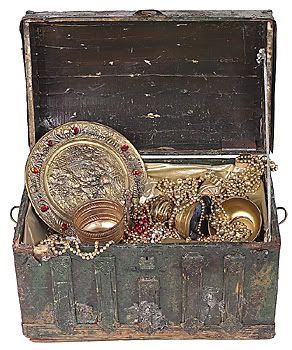
Unfortunately for five Somali pirates they hadn't practiced their backstrokes enough recently. The five died when their small boat overturned as they were leaving behind the ransomed Saudi Arabian oil tanker Sirius Star. Reports say that their share of the reported $3 million ransom was lost with them. Whoops.
A Saudi Oil Ministry official reported the ship was steaming for Damma, on Saudi Arabia's Gulf coast. The Saudis reportedly paid the ransom via parachute drop. The Liberian-flagged ship, owned by the Saudi state oil company, Aramco, was reportedly carrying $100 million in crude oil.
Read the full Associated Press article here.
Labels: Africa, Middle East, pirates
Friday, November 14, 2008
Don't mess with Her Majesty's Navy

Royal Navy Type 22 frigate
Don't mess with Her Majesty's Navy. You'd think pirates worldwide might have learned this lesson a couple hundred years ago. Perhaps they have forgotten since? Yesterday the Brits on the Royal Navy Type 22 frigate, HMS Cumberland issued a reminder to a group of Somali based pirates attempting to hijack a cargo ship in the Gulf of Aden 60 miles south of the Yemeni coast. The pirates seeing the Brits approaching in two Royal Navy assault craft made the mistake of opening fire instead of turning tail and running. Whoops! Bad idea. In the ensuing firefight three pirates were killed, no British Marines were even wounded, and the remainder of the pirates lost the will to fight quickly and surrendered quietly. The Royal Navy described the boarding of the Yemeni flagged fishing dhow as "compliant".
Tuesday, September 30, 2008
Serious Pirate issues

While the eyes of many newswatchers are on one pirate captured ship, the Russian frigate Neustrashimy, a vessel that has been seized off of the coast of Somalia, that contains scads of small arms, munitions and up to 33 Ukranian tanks, destined for the government of Kenya, the Clarion's veteran pirate watchers have spotted something that appears far more diabolical.
Certainly, it is bad news to hear about the Russian flagged vessel that has been seized, and it is worse news to hear local warlords were doing everything they could to offload the small arms from the ship before it was surround by United States and Russian naval vessels. The Clarion's sources report that another act of piracy may have resulted in the capture of something far more dangerous. Read more here. The speculation raised about the cargo of this other pirate-seized ship ranges from nuclear waste to nerve gas and beyond. All that has been reported so far is that several of the pirates got sick, lost their hair and died within days of seizing this Iranian ship and busting open sealed containers in the cargo hold in an attempt to determine what their booty was. The ship has not been recaptured by authorities, nor have the pirates demands for ransom been met.
Labels: Africa, nuclear issues, pirates
Wednesday, July 09, 2008
Pirates

Piracy is alive and well as the Clarion has been warning for some while now, and not just in the Straits of Malacca.
Somali pirates (wonder if they self-identify as Somali, esp. since they are reportedly based out of Puntland) released a German cargo ship and their hostages after being paid a ransom Tuesday. The ship was originally seized in the Gulf of Aden on May 28.
Click here for an interactive map of reported pirate attacks in 2008.
Labels: Africa, Middle East, pirates
Saturday, July 05, 2008
Down on America
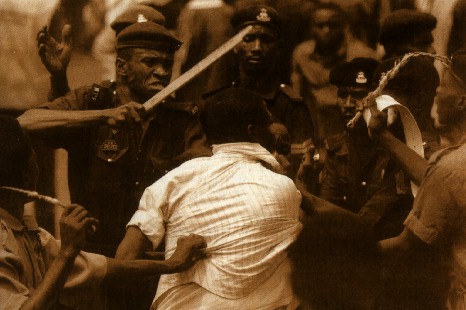
Or more pointedly, down on life in America?
The Clarion has another statistic (via the Economist) to make you feel better, and grateful.
In Nigeria, fewer than 5% of those arrested are ever brought through the criminal justice system, most are simply extorted for bribes. Innocence or guilt is not relevant.
The founder of a Nigerian NGO, Prisoners' Rehabilitation and Welfare Action says in twenty years she has never seen a prisoner who has not suffered physical or psychological torture by the police.
Labels: Africa
Thursday, June 26, 2008
The Lie we don't believe any more


The Clarion has heard from many continued supporters of the invasion of Iraq.
"It didn't matter that Iraq didn't have weapons of mass destruction."
"It didn't matter that Iraq didn't have ballistic missiles with the range to reach North America."
"It didn't matter that (this time) Iraq had not attacked any of its sovereign neighbors."
"It didn't matter that the United Nations didn't support the invasion."
"It didn't matter than many of America's allies from the first Gulf War, didn't support the invasion."
"It didn't matter that Iraq was in no way connected with the attacks of September 11, 2001."
"It didn't matter that Iraq was not allied with Al-Qeda."
"It didn't matter Iraq was not harboring any Al-Qeda operatives."
Why didn't it matter? What is the rationale? (ex post facto, of course.)
"Saddam Hussein was an evil dictator. The man was unfairly imprisoning, torturing, mass murdering his own people. Such evil had to go. It was America's duty and right, alone, if necessary."
Where are these supporters of the Iraq invasion today? Why are they not clamoring for an American invasion of Zimbabwe? Robert Mugabe is an evil dictator. He is imprisoning, toruring and mass murdering his own people in an effort to maintain his personal power. His exploitation of the country has been without limits, almost without parallel, this side of Kim Jong-il.
Where is the outrage? Where is hue and cry for the imminent invasion of Zimbabwe on behalf of its suffering people? Does the color of the skin of most of Zimbabwe's citizens somehow make them less valuable to America? Is it their country's lack of fossil fuels? Pre-Mugabe, Zimbabwe was once the "Breadbasket of Africa."
Why is it less valued?
King George?
Viceroy Cheney?
Senator Lieberman?
Senator McCain?
Senator Obama? (Who opposing the Iraq invasion, from the beginning, has an opportunity to weigh in differently...)
The Clarion's view, on both Iraq and Zimbabwe, war is admission of failure. Victory is peace.
Labels: Africa, energy policy, Middle East, Politics, war
